Out of Office: Lahore with Xavier Donnelly
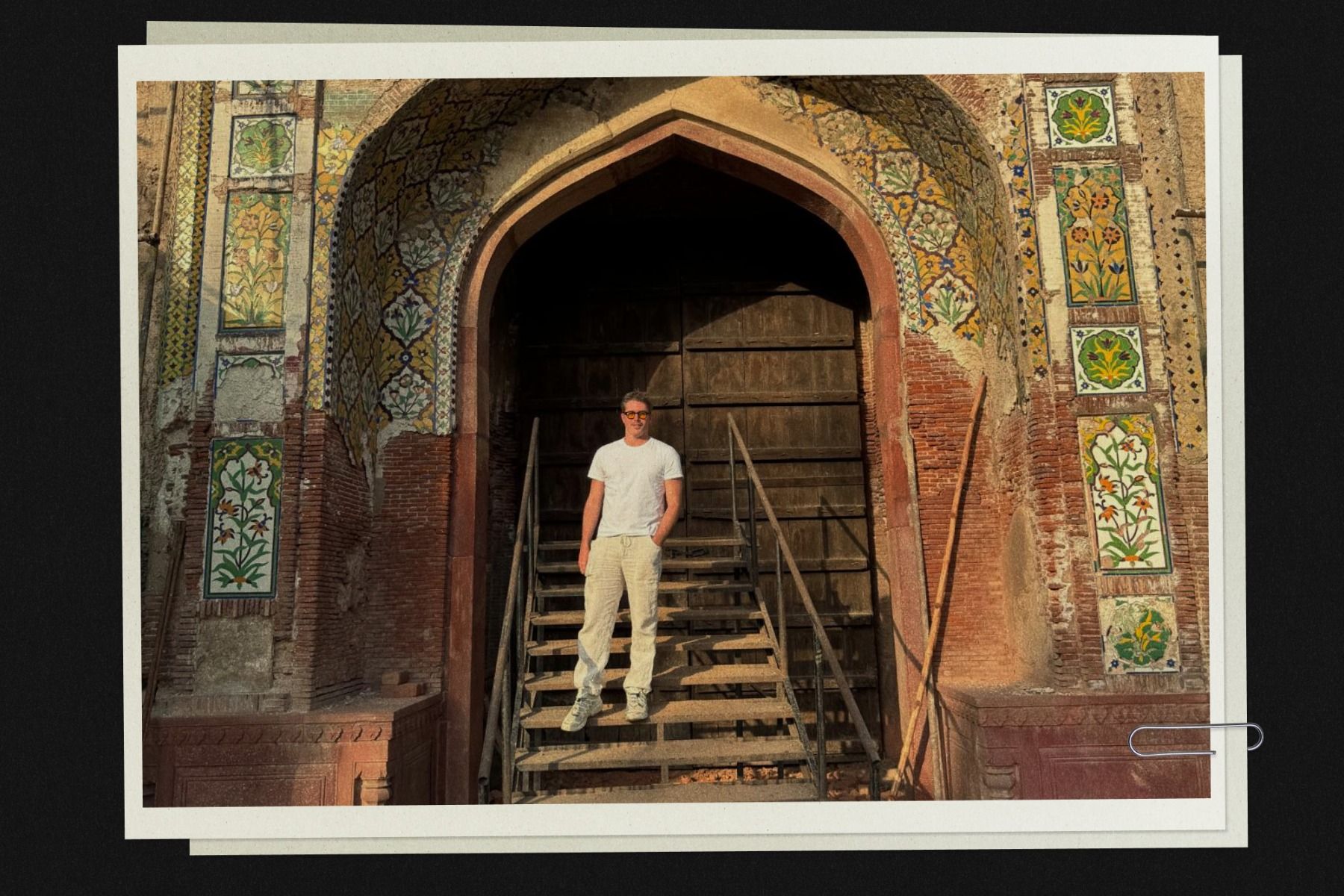
For our second installment of Cosmos by Ash, join us for Out of Office — a transportive series sharing our hidden gems and haunts around the world. Both newly discovered and old favorites, thoughtfully curated by our community.
This month, we’re joined by our Creative Director, Xavier Donnelly — bon vivant, tastemaker, and passionate traveler — sharing his best-loved spots from a recent trip to Lahore.
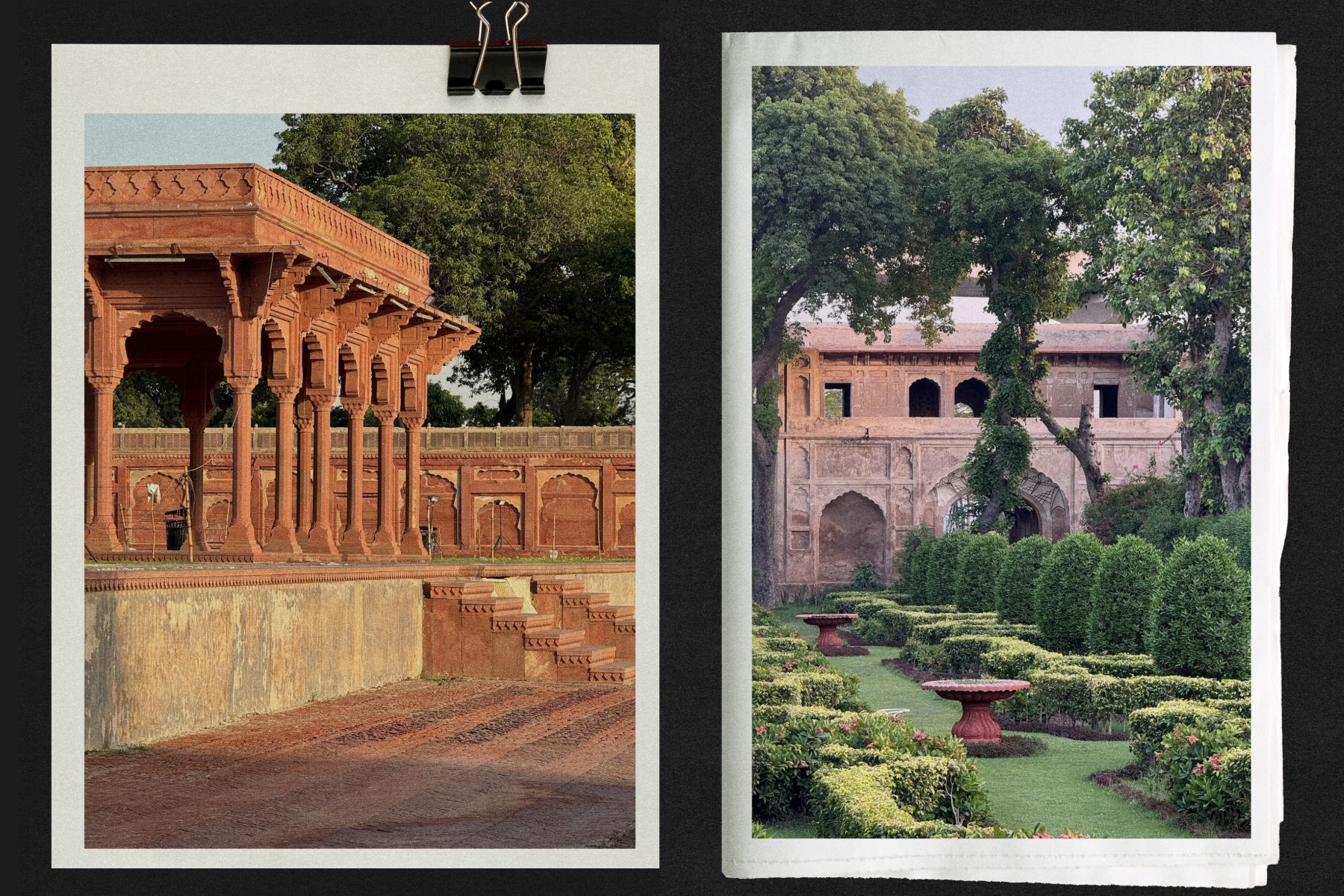
Lahore is a city full of hidden treasures, relatively unvisited by tourists but studded with exceptional examples of Mughal, Sikh, and colonial architecture. Lahore's origin dates back to antiquity, and for more than 1,000 years it has been one of the great cities of the East, reaching its zenith under the Mughal emperors, who made it one of the capitals of their empire.
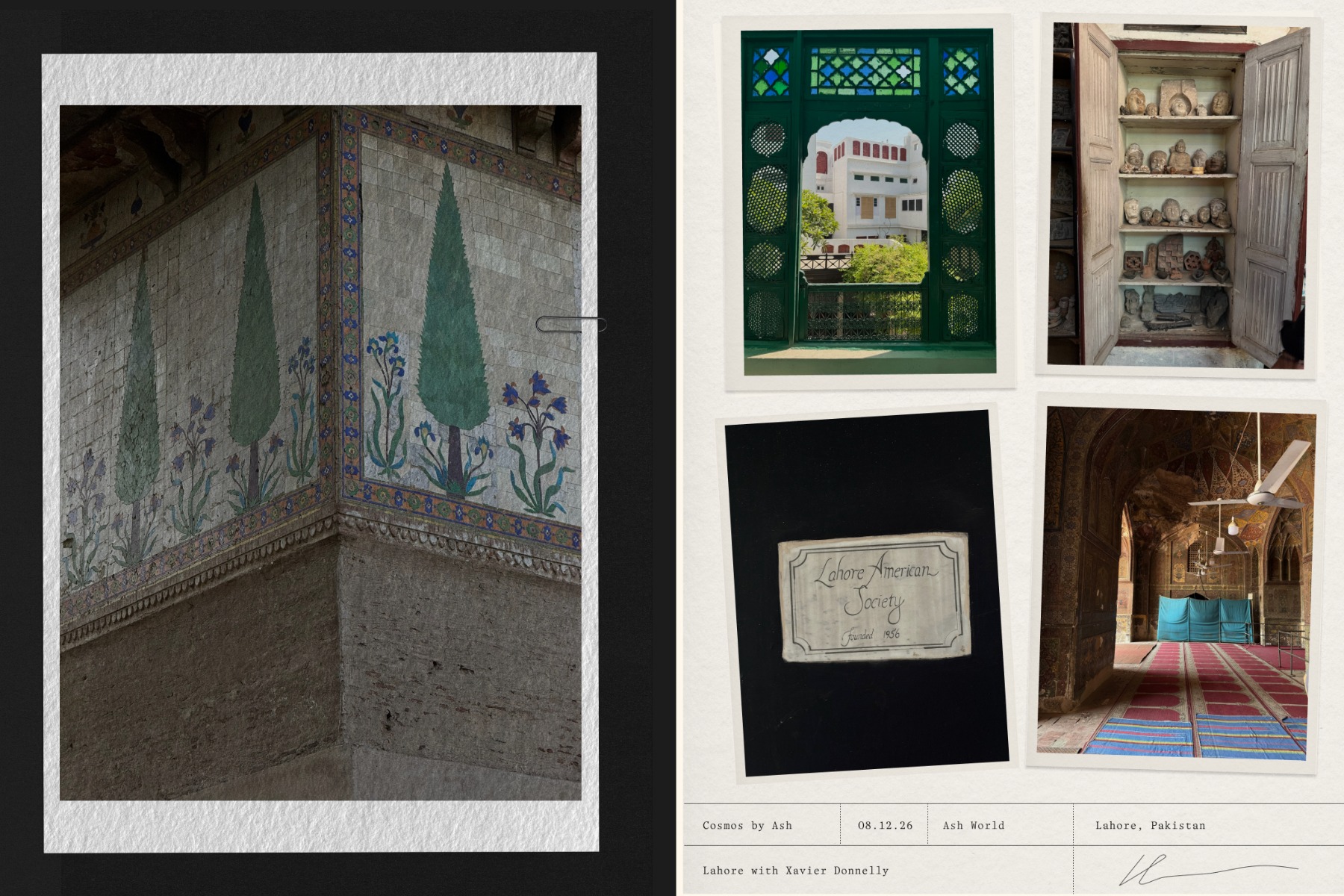
Many of the most magical sites we visited were quite off the beaten track, hidden deep in neighborhoods where they exist amongst the density of markets, houses, and blocks of flats, making them all the more rewarding to discover. One such sight was the Cypress Tomb, a 17th-century Mughal mausoleum whose façade is decorated with elegant cypress trees. You can find more information about it here.
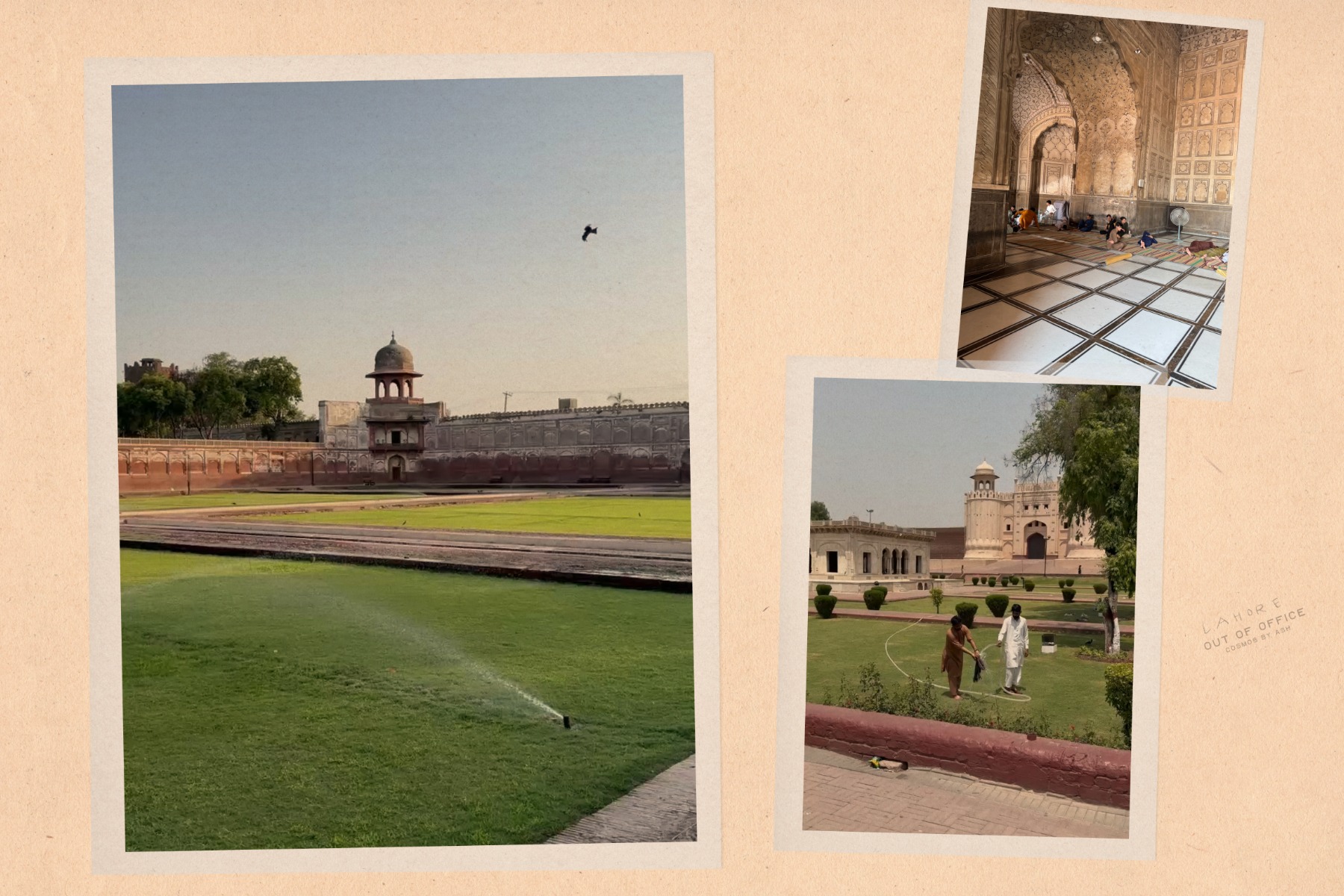
We extensively toured the ancient walled city, which is anchored by the famous Lahore Fort and Badshahi Mosque.
Within the old city, we visited several private havelis, which are mansions that center around a courtyard or central garden. This relationship between architecture and environment was a common thread in the palaces, homes, and artwork I saw in Lahore.
The city is beautifully layered with thousands of years of habitation and construction evident in the built environment.
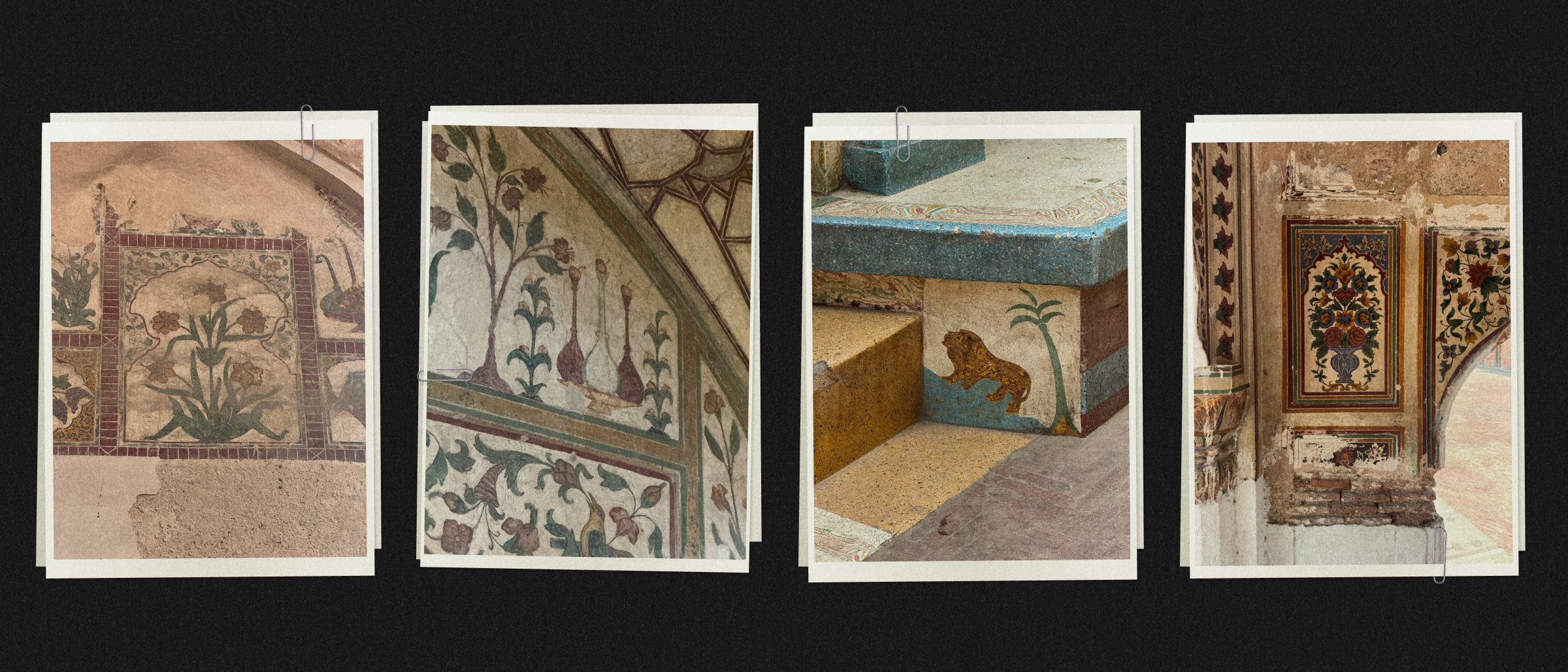
I was struck particularly by the remarkably-well preserved state of the Mughal decoration and frescoes at many of the historic sites, the floral motifs were incredibly organic and beautiful.
I later learned that the frescoes at Lahore Fort, Wazir Khan Mosque, and Shalamar Gardens, in particular, were strongly influenced by Persian, Central Asian, and Indian artistic traditions. The iconography acted as a representation of jannah — the Islamic vision of paradise, with lush gardens, flowing water, fruit trees, and eternal flowers in bloom. The Mughal emperors sought to recreate this vision in both their gardens and their buildings, with the buildings acting as a visual extension of the gardens themselves, covered in tulips, irises, carnations, narcissus, and flowering vines.
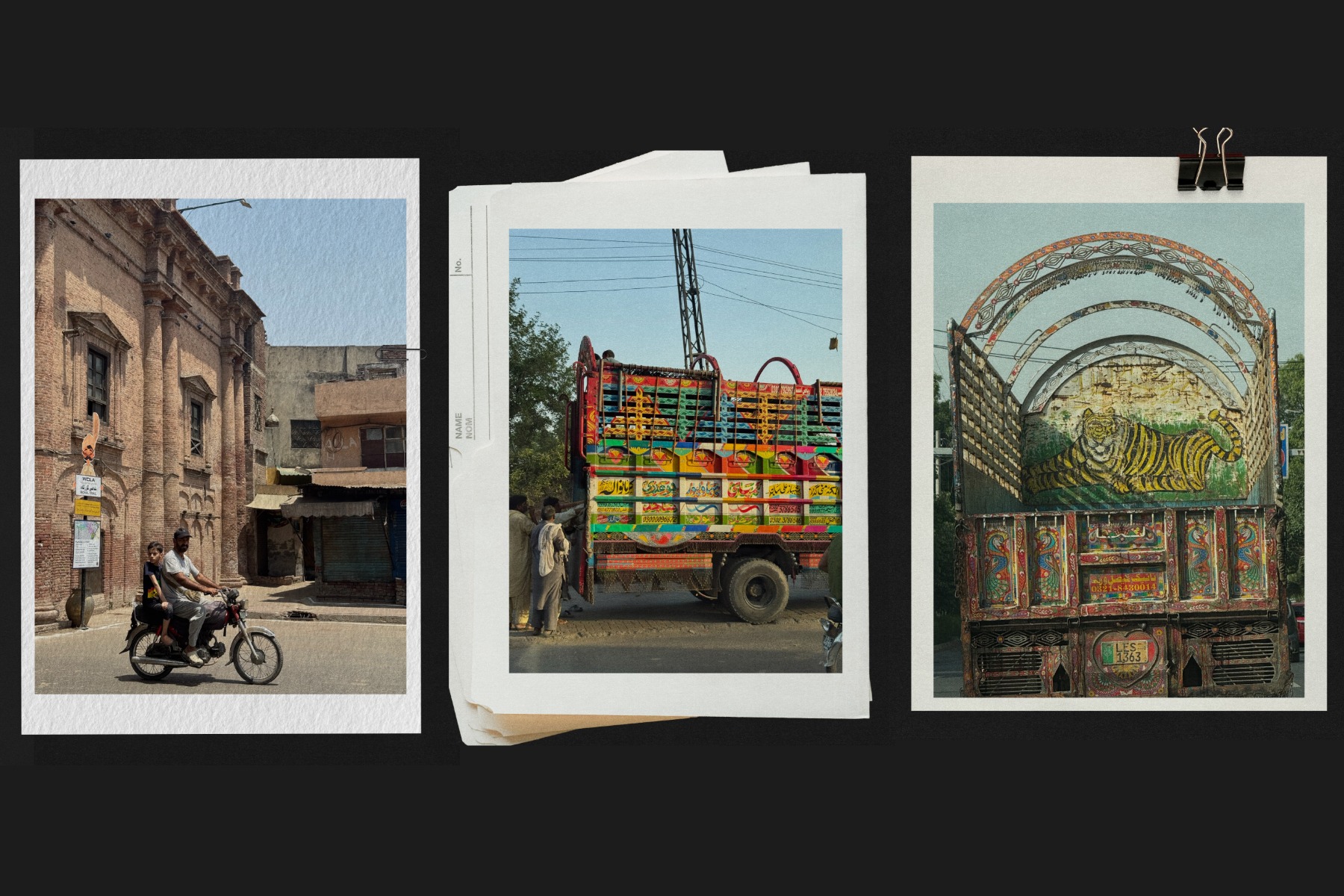
The spirit of decoration and appreciation for beauty and craft carries through to the present day, evidenced by the ornately painted trucks, tuk-tuks and buses that move goods and people around the city.
—
Discover the best of our hotel cities.