Hotel Histories: The Wurlitzer Building
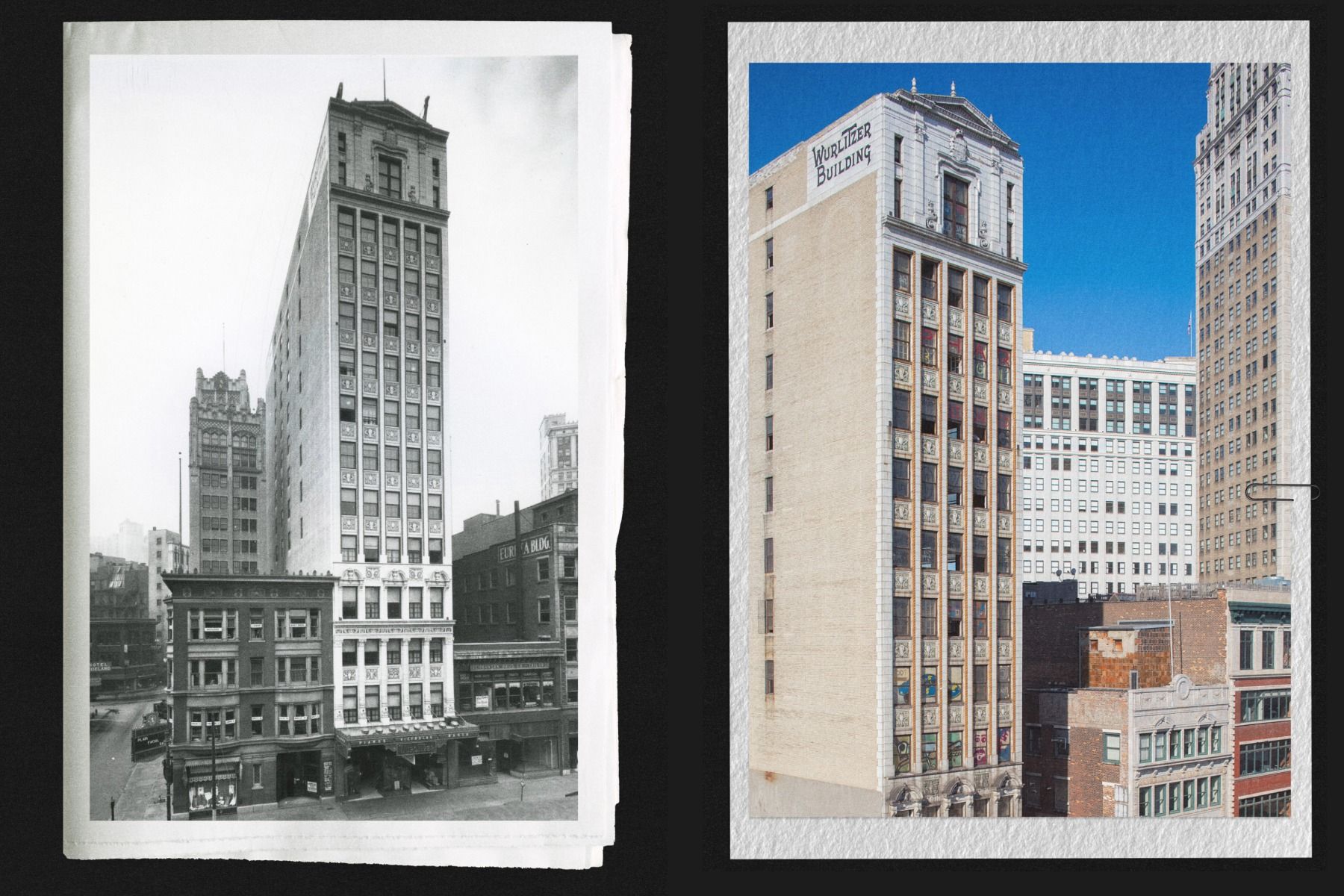
In 1926, the legendary Wurlitzer building joined the Detroit skyline, on the corner of John R and Broadway. The extravagant 14-story Renaissance Revival skyscraper, designed by Robert Finn, was home to a music store and showroom that sold pianos, organs, sheet music, and jukeboxes. No cost was spared. The original building had a terracotta façade with ornate detailing, granite trim and piers, and a decadent bronze entrance door finished in antique verde.
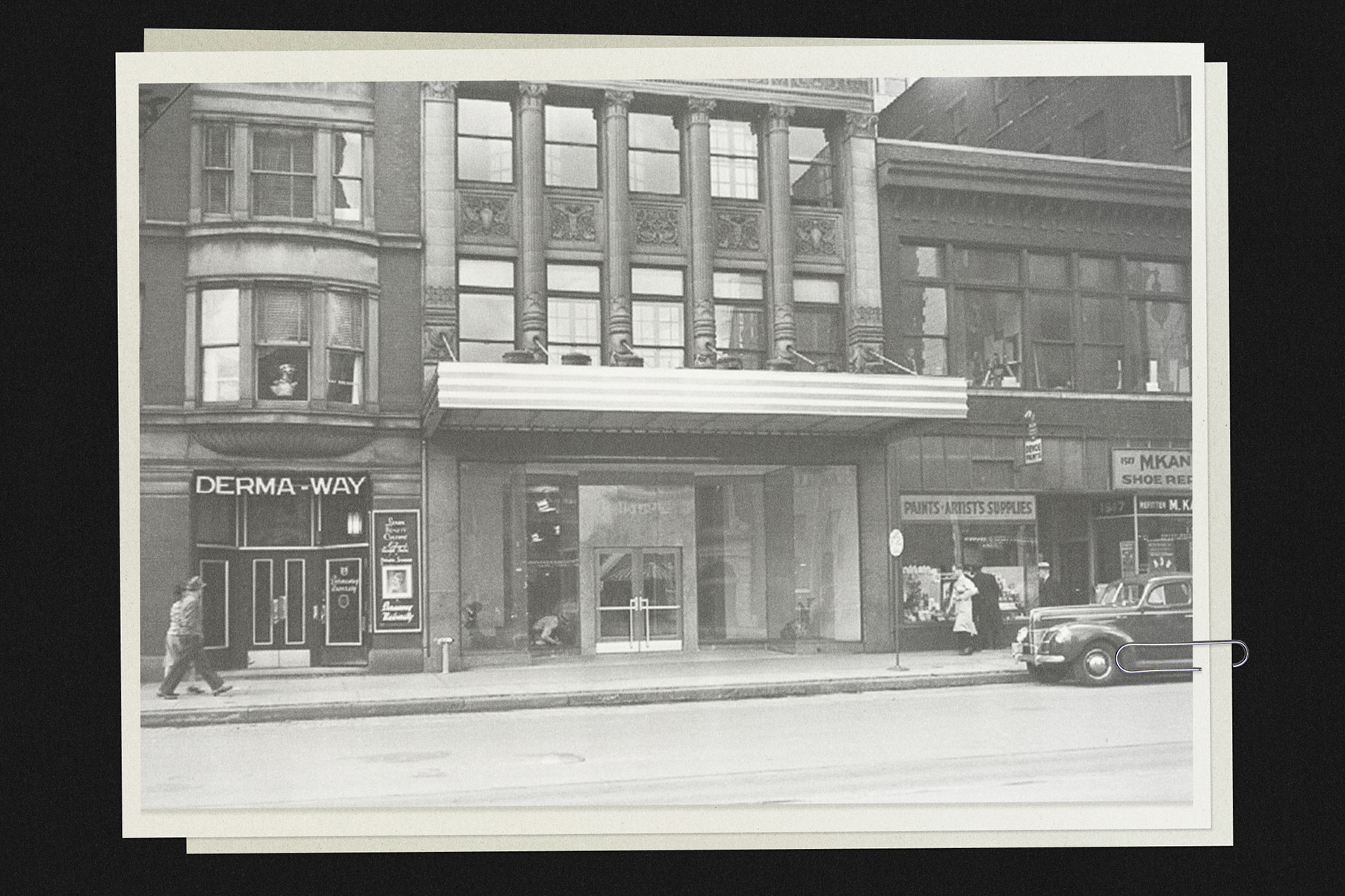
The Wurlitzer Building had three glorious decades in the sun — downtown Detroit was bursting with theaters, jazz clubs, and dance halls — all of which needed live music (and instruments made by Wurlitzer). This was the house that music built, with the Wurlitzer line of pianos, jukeboxes, and organs supplying the sound for Motown.
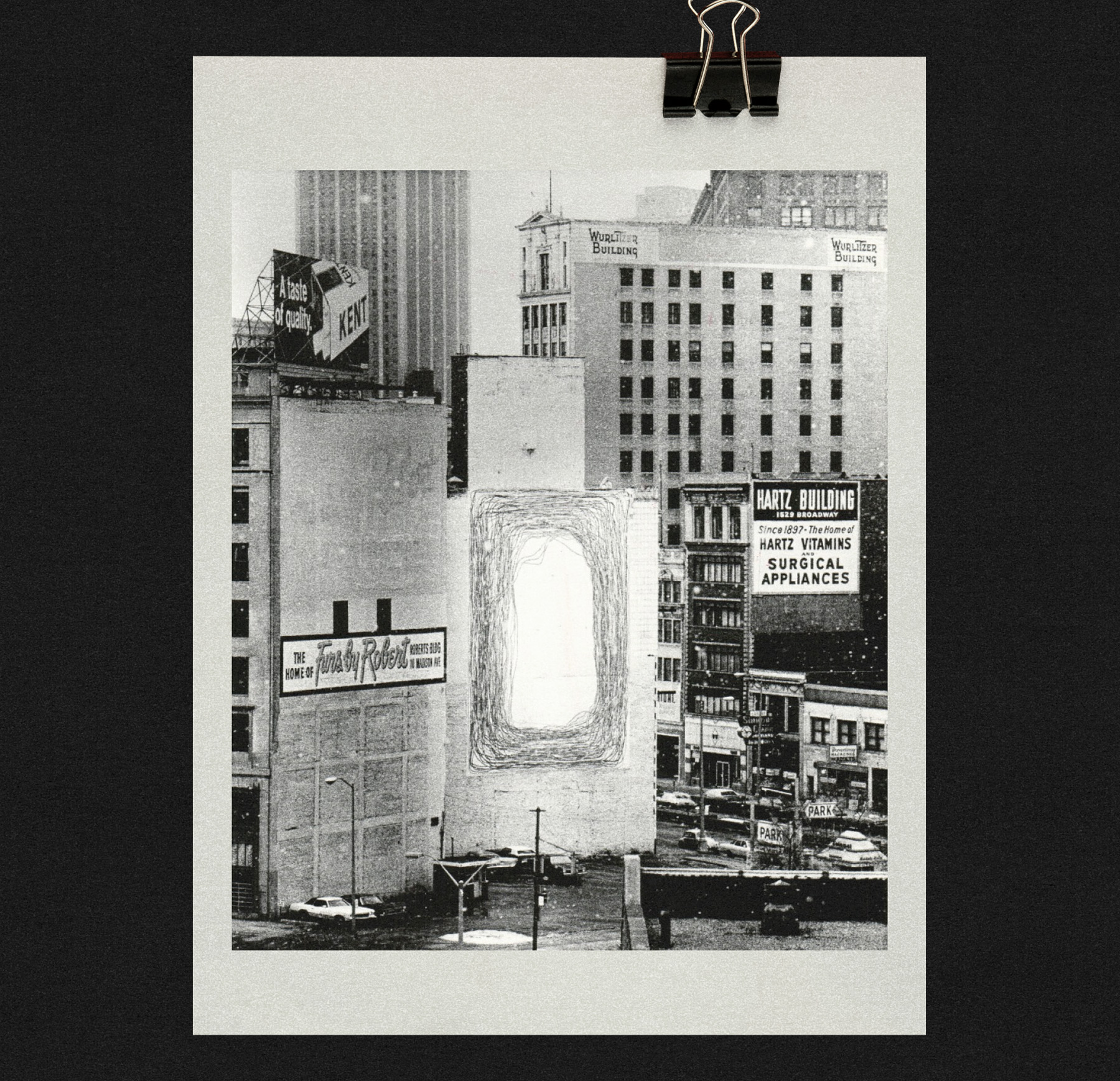
Postwar changes and urban decline led the Wurlitzer company to eventually leave the building in the 1970s. The storied skyscraper served as office space for a brief stint until the mid-80s, when the building closed and remained abandoned for over 35 years, suffering severe structural damage and interior decay. The ceiling caved, the terracotta fell, and the building began to fall apart.
Like all good stories, this one ends on a high note. In 2015, the building was saved from demolition by Ash Hotels, embarking on an extensive renovation and rehabilitation.
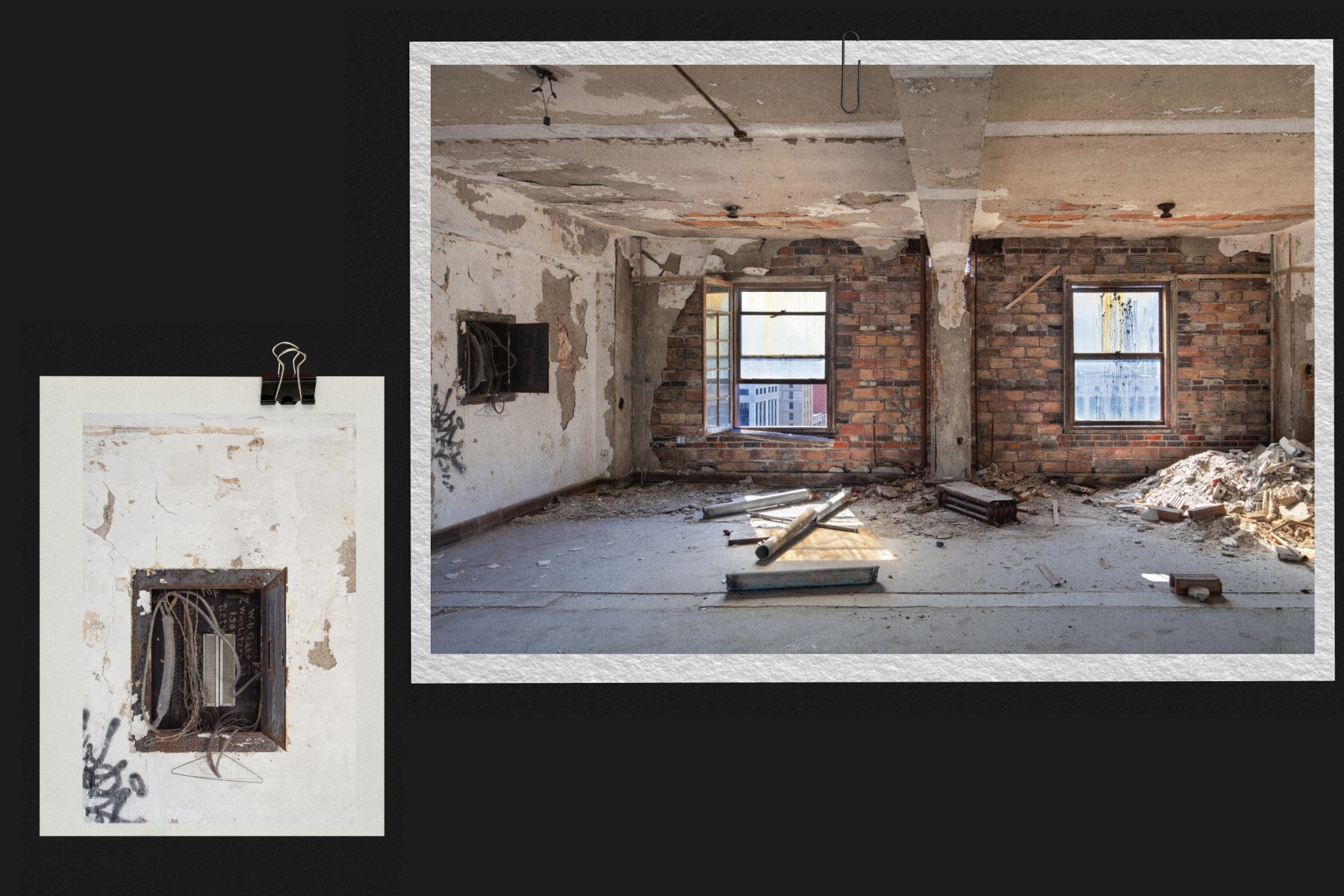
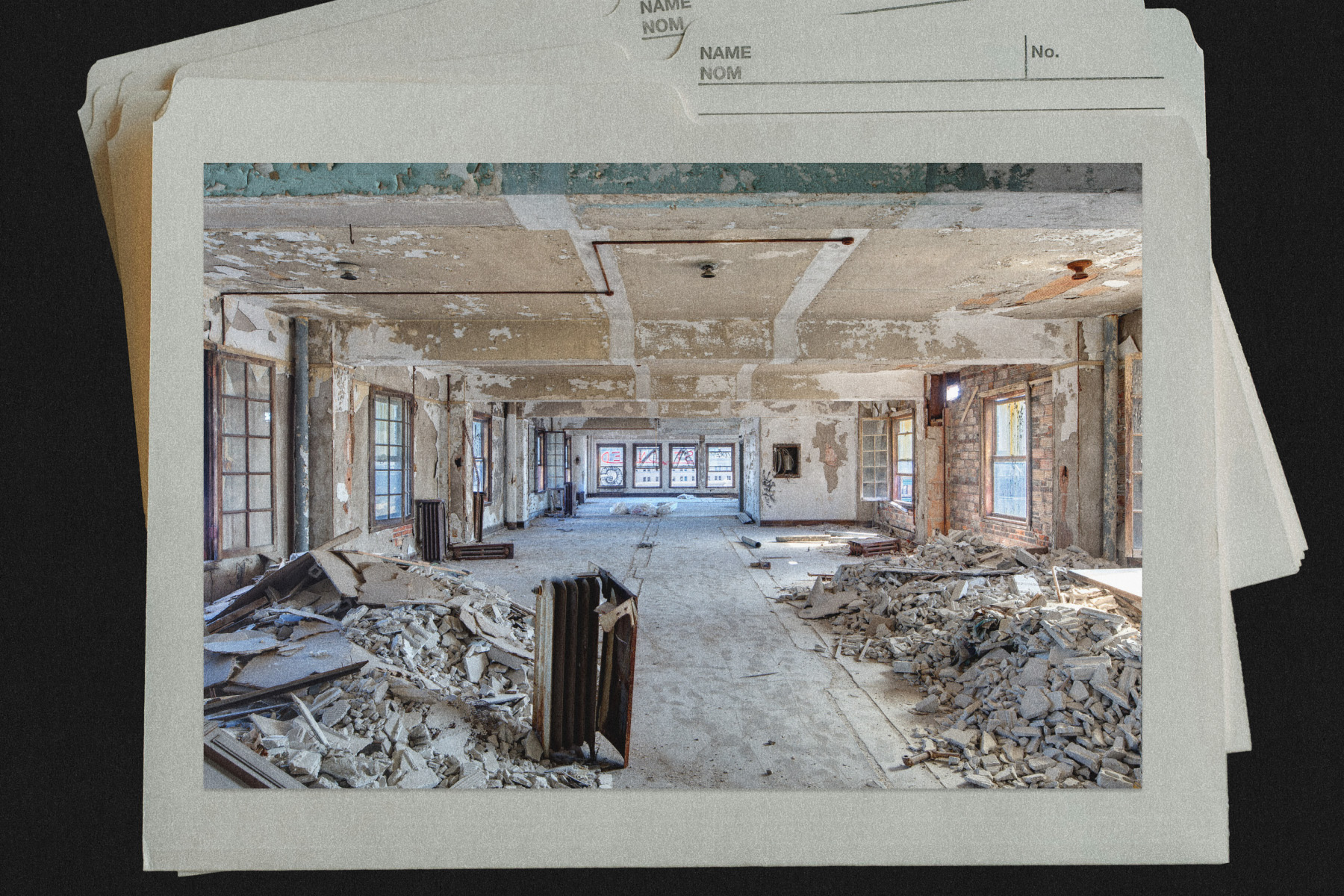
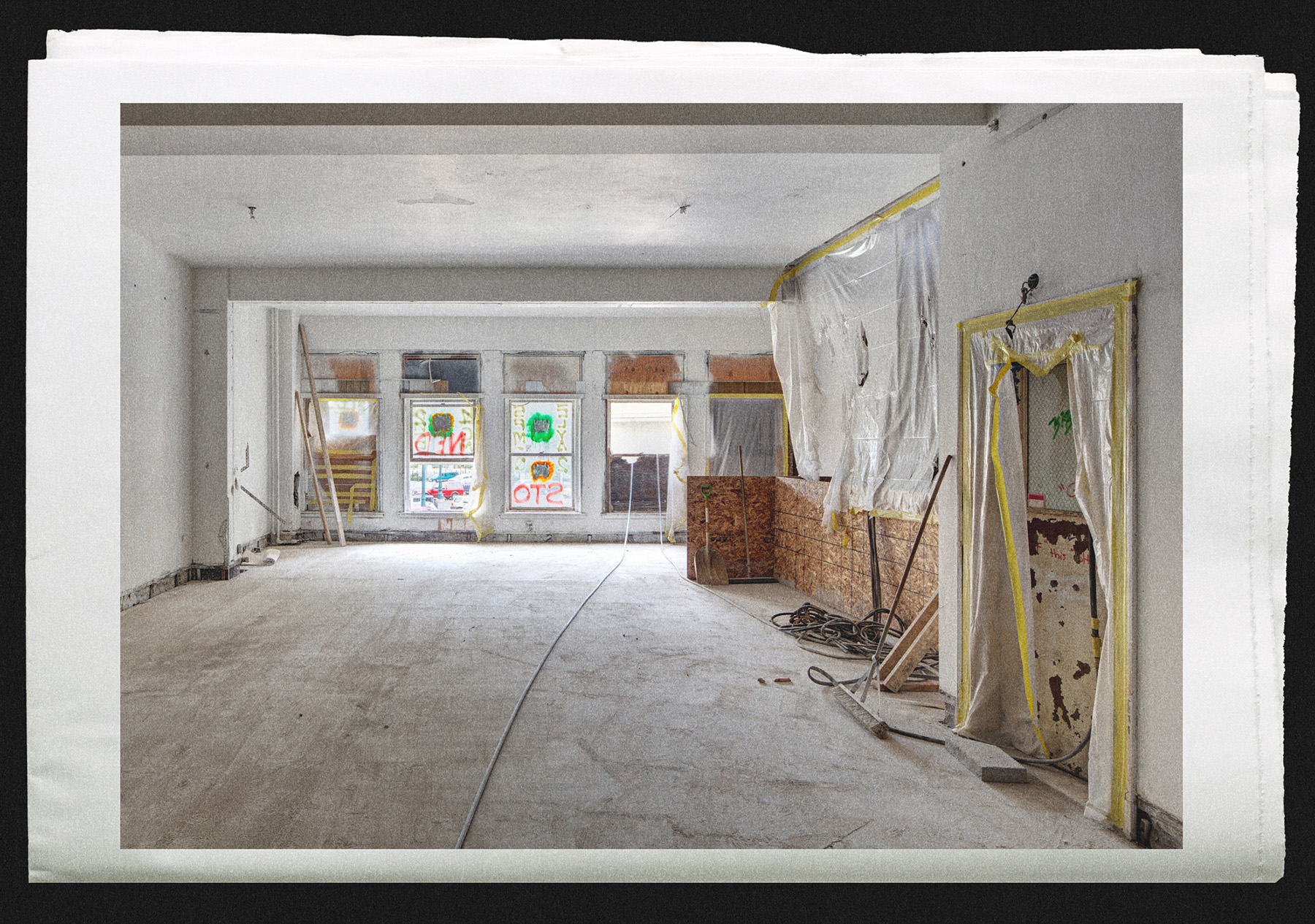
The task was no easy feat — a three-year process that included the restoration of the historic façade, the reconfiguration of the layout (including the construction of entirely new walls), the updating of electrical, plumbing, and mechanical systems, and the preservation of as many historic architectural elements as possible. Much of the building’s original features were restored, including the travertine floors, original terracotta signs, and plaster detailing on the historic ceilings.
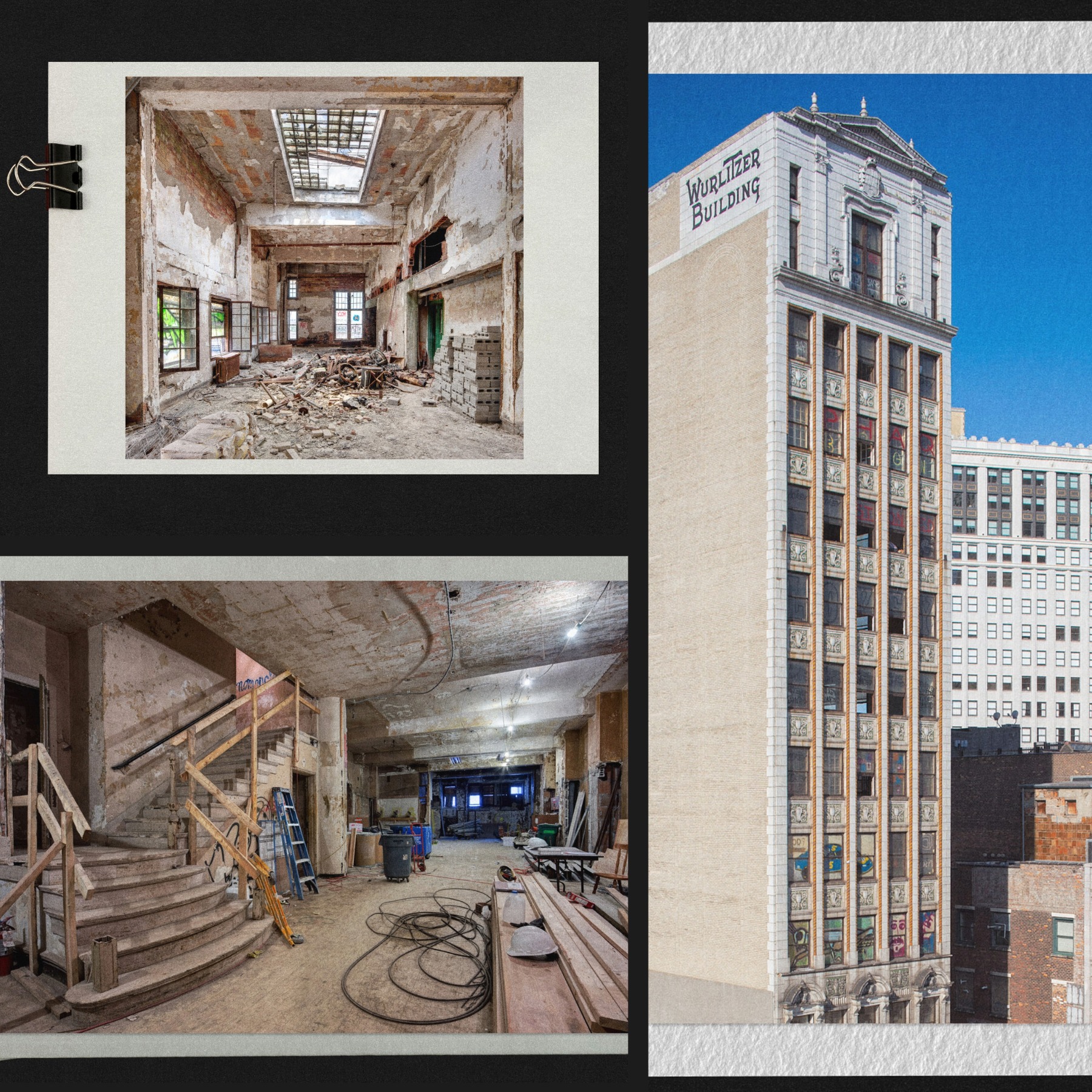
The project is often cited as one of the city’s most successful adaptive-reuse projects. Rather than simply converting an old office building into a hotel, we sought to preserve the building’s storied history and celebrate the beauty, grit, and glamour of Detroit.
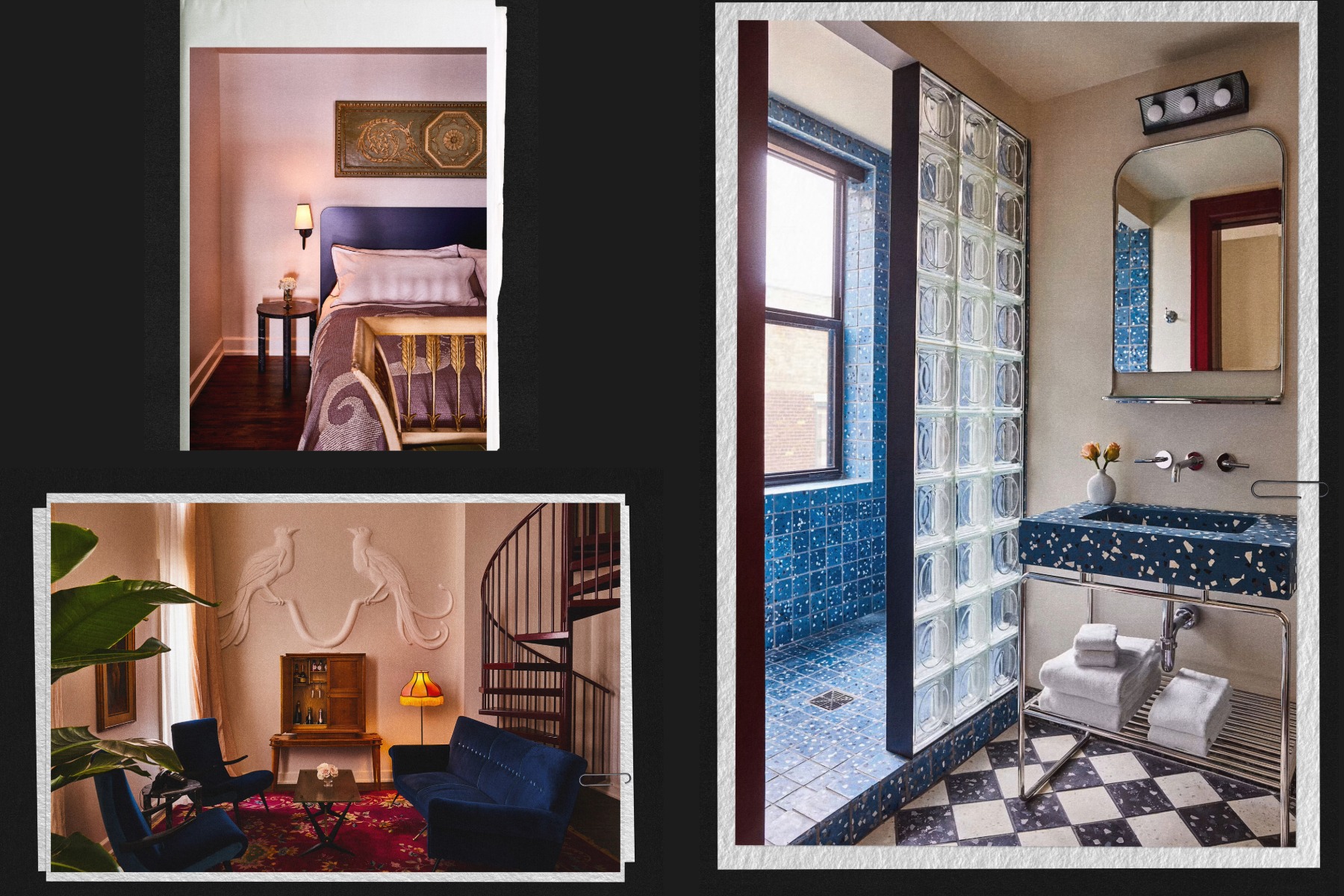
For the interiors, we looked to the early-20th-century grandeur of the Motor City — a luxurious jewel box of color — sumptuous and elegant. The gemstone palette was inspired by the nearby Guardian Building, a historic Art Deco skyscraper completed just two years after The Wurlitzer. Adorned with swagged velvets, grandiose antiques, fringing and tassels, the transportative hotel honors the past and welcomes the present with a uniquely Detroit aesthetic.
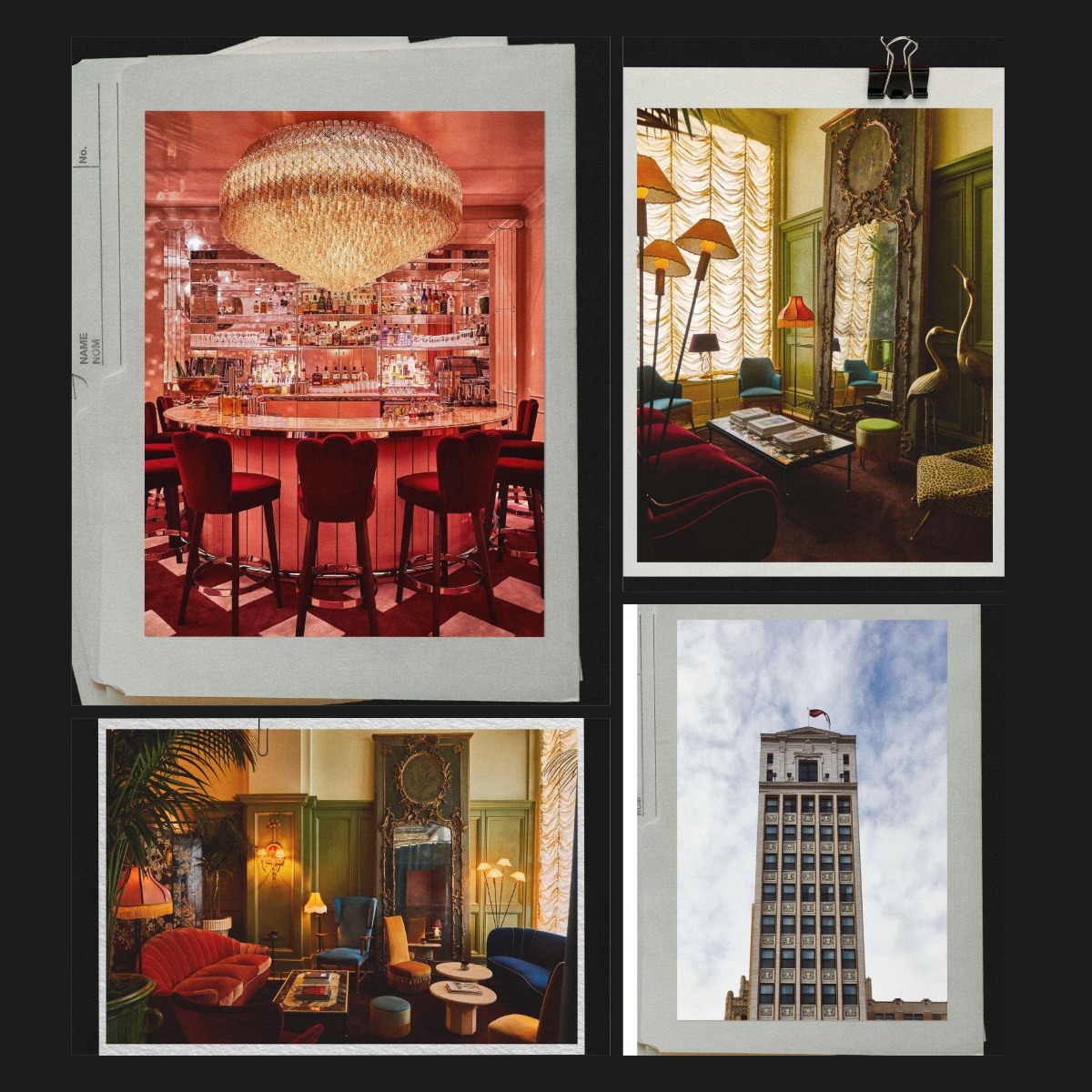
Finally, in 2018, The Siren Hotel opened her doors. An ode to the Greek mythology that adorns the city’s most prominent architecture, and imbued with the musical spirit of The Wurlitzer, the 106-key hotel serves as a symbol of resilience and rebirth — the elusive Siren who lured you back and lingers in your mind for years to come.